



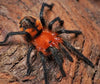
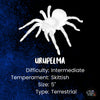
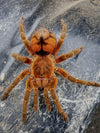
Urupelma (Theraphosinae) mishana (Orange Crush Tarantula) about 3"
$450.00
/
Sold out
Shipping calculated at checkout.
Pickup currently unavailable at Home Office
%20mishana%20(Orange%20Crush%20Tarantula)%20about%203%22)
✅ Covered by our 24 Hr Live Arrival Guarantee!
Description
Urupelma (Theraphosinae) mishana (Orange Crush Tarantula)
This is an amazing species of tarantula that is a striking orange color, you'll practically need sunglasses to look at this one. Adults keep an amazing shiny orange coloration with a very neat striping pattern on the abdomen. Grab this new world tarantula for sale if you want a genuinely vibrant heavy webber for your collection.
Why do hobbyists keep Urupelma mishana?
- Stunning Coloration: A striking, shiny orange body with a neat striping pattern on the abdomen.
- Heavy Webber: Builds noticeable webbing throughout the enclosure.
- Docile Temperament: Calm and manageable, a comfortable species for keepers of any experience level.
- Rare in the Hobby: A genuinely eye-catching species most keepers haven't had the chance to work with.
How should Urupelma mishana be kept?
- Adult Size: Reaches about 4 to 5 inches at full leg span.
- Enclosure: Choose an enclosure at least twice the leg span in width, depth, and height, with a hide included for security.
- Temperature: Keep between 65 to 75 degrees F.
- Humidity: Keep the substrate damp but not saturated, resembling the texture and color of coffee grounds. Organic coconut fiber works well since it resists mold and holds humidity steadily.
- Water: A shallow textured water dish works well, something they can grip when climbing out.
- Diet: Crickets, roaches, or mealworms sized to about a quarter of the leg span, matching the width of the carapace (head). Feed at least once a week.
- Temperament: Docile and manageable, a comfortable species to keep and observe.
Are there any additional notes or considerations?
- Confirm Before Listing: Your listing's endemic location field says Colombia, but this species is generally documented as coming from the Loreto region of Peru, worth double-checking which is correct.
- Captive Bred: All Tarantulas are 100% captive bred.