



Lasiodora parahybana (Salmon Pink Bird Eater Tarantula) 0.5"
Pickup available at Home Office
Usually ready in 2-4 days
%200.5%22)
✅ Covered by our 24 Hr Live Arrival Guarantee!
Lasiodora parahybana (Salmon Pink Bird Eater Tarantula) 0.5"
✅ Covered by our 24 Hr Live Arrival Guarantee!
Description
Lasiodora parahybana (Salmon Pink Bird Eater Tarantula)
The Salmon Pink Bird Eater is one of the true giants of the hobby, a massive Brazilian terrestrial with a dark body covered in soft salmon pink hairs that stand out especially well fresh off a molt. This is a new world tarantula for sale built for keepers who want a genuinely huge display animal without needing advanced experience to keep one.
Why do hobbyists keep Lasiodora parahybana?
- Large Size: One of the biggest tarantulas in the hobby, reaching a leg span that rivals some of the largest species in the world.
- Stunning Coloration: A dark, almost black body contrasted with soft salmon pink hairs throughout, especially vivid right after a fresh molt.
- Great Feeding Response: Famous for a huge appetite and an intense feeding response to match its size.
- Fast Grower: Goes from spiderling to an impressively large juvenile in a fraction of the time many other tarantulas take.
- Beginner Friendly: Generally tolerant and forgiving despite its size, making it a popular first giant species for newer keepers.
How should Lasiodora parahybana be kept?
- Adult Size: Reaches about 8 to 10 inches at full leg span, with some individuals pushing past 11 inches.
- Enclosure: This species needs real room to roam, so plan for an enclosure roughly 3 times the leg span in footprint, with height around 2 times the leg span. At full adult size that works out to roughly 30 inches of footprint, about 20 inches of height, and soil depth equal to the leg span for a hide and some digging.
- Temperature: 75-85°F.
- Humidity: Moderate, in the 60 to 70 percent range. Keep the soil from drying out completely without making it saturated.
- Water: A water dish is strongly recommended. These species are moisture-dependent, especially during molting.
- Diet: Crickets, roaches, and similar feeders sized to about a quarter of the leg span, matching the width of the carapace (head). A fast grower with a huge appetite that benefits from regular, generous feeding. Feed at least once a week.
- Temperament: Generally tolerant and calm for its size, rarely standing its ground aggressively. It does carry a strong defense in the form of urticating hairs, which it will flick if it feels threatened, so a calm, low disturbance setup keeps things easy for both of you.
Are there any additional notes or considerations?
- Space Pays Off: Given how large and fast growing this species is, building in extra room from the start saves on rehousing down the line.
- Impressive Presence: Between the size and the color, this is one of the most requested giant species in the hobby for good reason.
- Captive Bred: All Tarantulas are 100% captive bred.
I highly recommend ordering from Exotics Unlimited! My little baby is eating so good, already has a nice little burrow underground, and is in great health. Thank you so so much for making sure this little guy arrived safely!
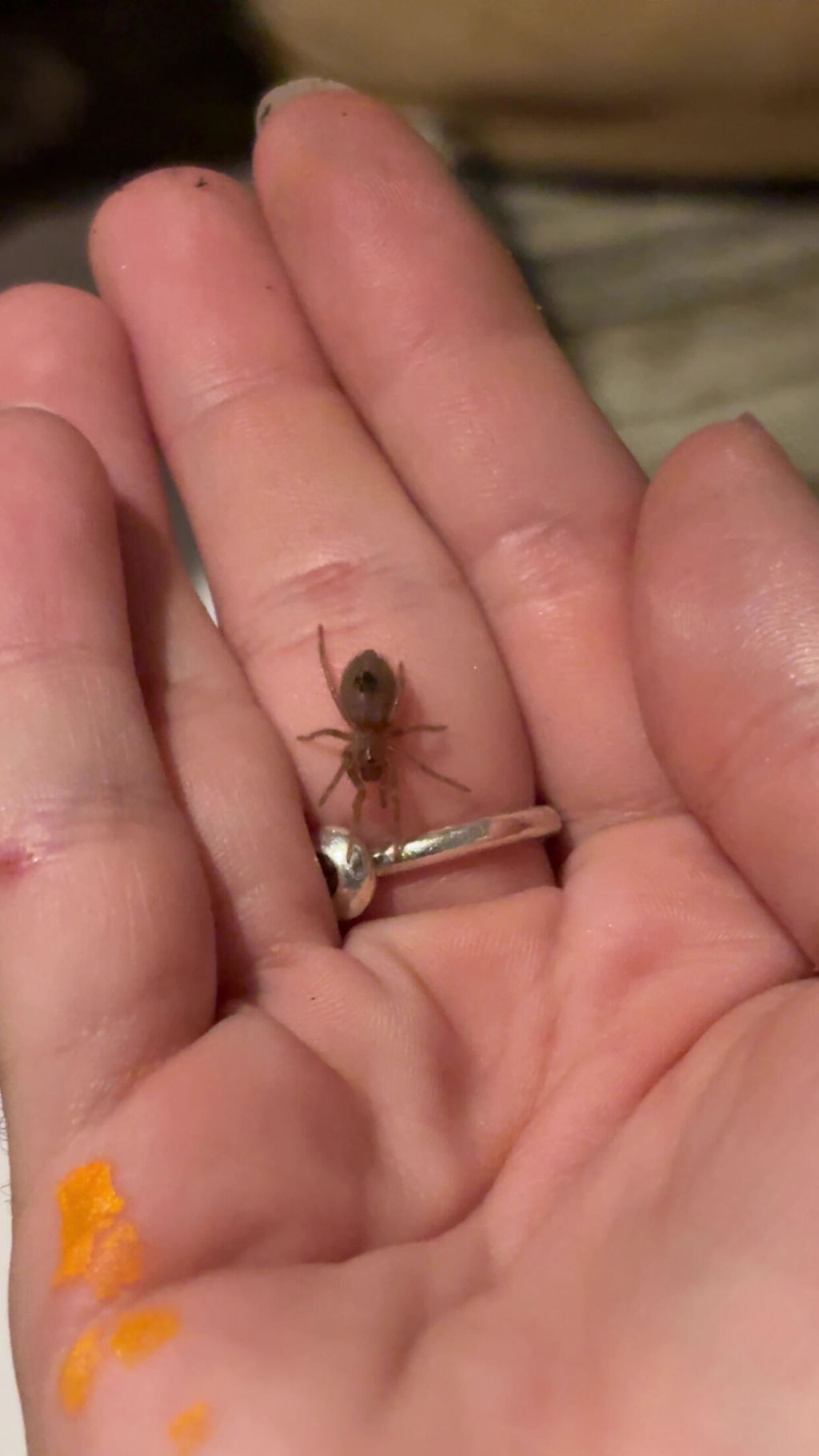
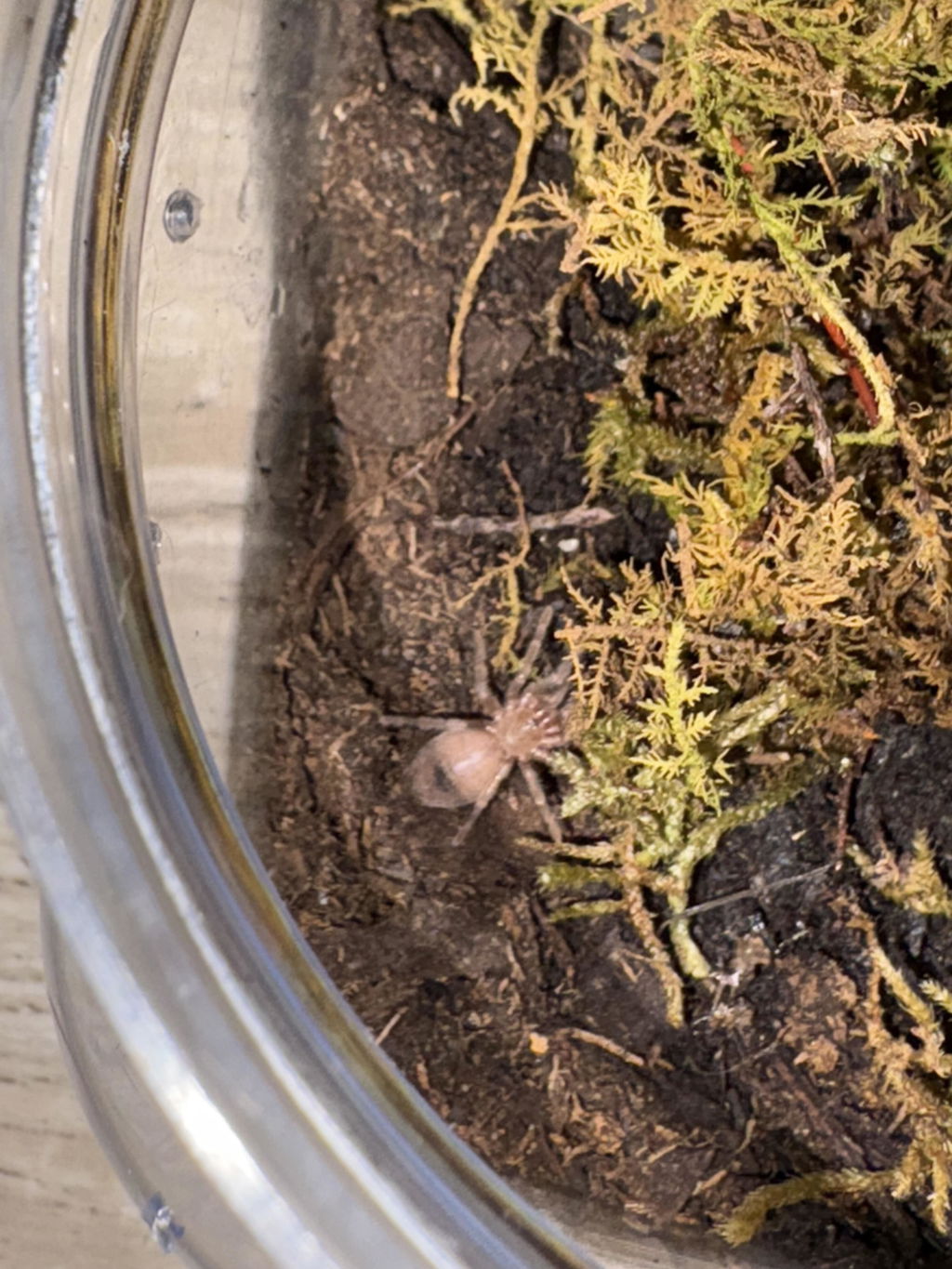
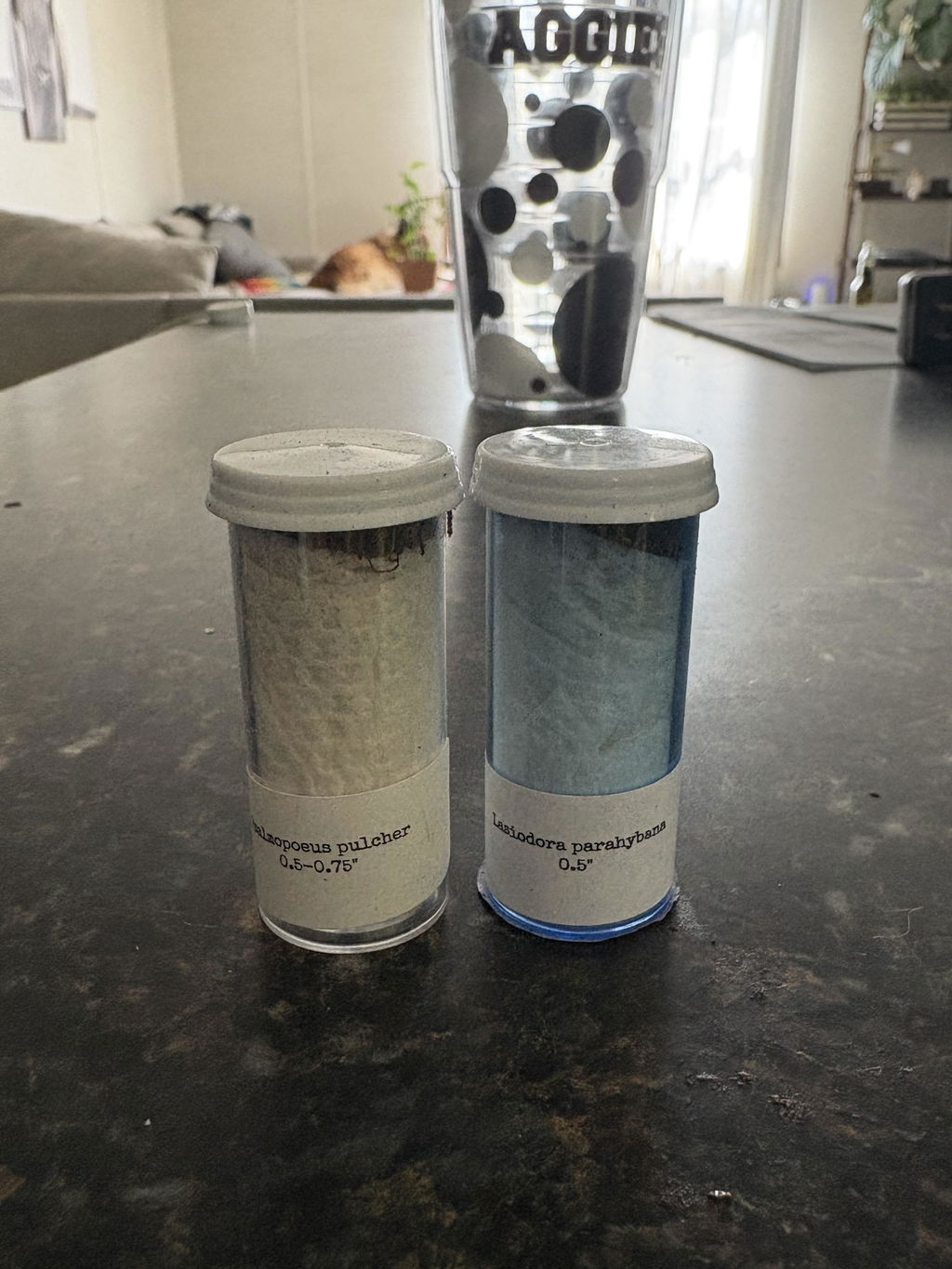
That's great to hear, sounds like your little guy is already settling right in. ppreciate you letting us know how he's doing.
Perfect