




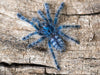
Caribena versicolor (Antilles Pink Toe Tarantula) FEMALE about 2.5”
Pickup currently unavailable at Home Office
%20FEMALE%20about%202.5%E2%80%9D)
✅ Covered by our 24 Hr Live Arrival Guarantee!
Caribena versicolor (Antilles Pink Toe Tarantula) FEMALE about 2.5”
✅ Covered by our 24 Hr Live Arrival Guarantee!
Description
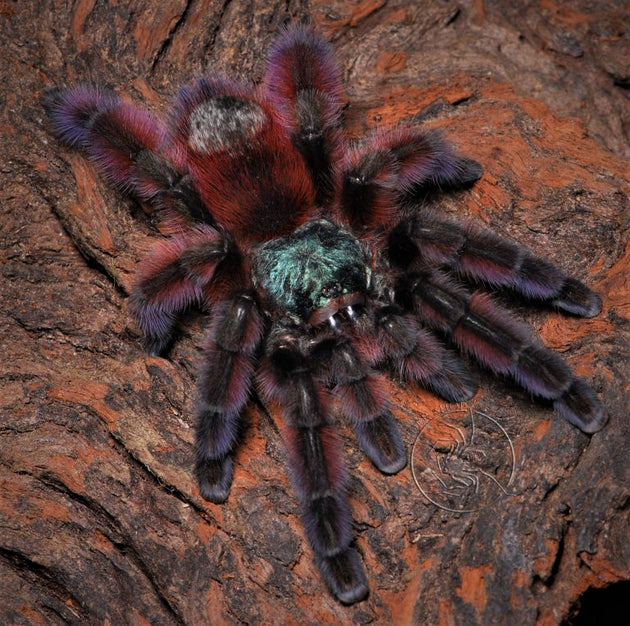
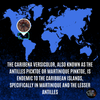
The Antilles Pink Toe Tarantula, or Caribena versicolor (ex Avicularia versicolor), is an arboreal tarantula native to the island of Martinique in the eastern Caribbean. Adults have red legs, a blue to green carapace (head), and a red abdomen with purple hues showing throughout, creating a stunning and unique coloration in the tarantula world. Spiderlings hatch out a bright blue, nicknamed blueberries in the hobby, and that adult purple, red and green coloration comes in around 3 inches. The species only grows to about 5 to 6 inches in diagonal leg span, with a medium to fast growth rate. As with most pink toe tarantulas, expect females to live 10 to 15 years, while males typically live only 2 to 3. This species is fast moving but docile, rarely defensive even when startled, appealing to keepers who want serious color without an aggressive animal. Grab this docile new world tarantula for sale today, offered here as a juvenile female, a confirmed female.
Why do hobbyists keep the Antilles Pink Toe Tarantula?
- Red, Blue-Green And Purple Coloration: Adults carry red legs, a blue to green carapace, and a red abdomen touched with purple throughout, a combination that is one of a kind in the hobby.
- Colorful Spiderlings: Spiderlings hatch out a bright blue, nicknamed blueberries, so you get that striking blue phase before the adult colors take over.
- Heavy Webber: This species is a heavy webber and builds thick retreats in the upper part of the enclosure, giving it a lot of presence even when it is tucked away.
- Great Display Species: Fast moving and quick to explore its enclosure, this is a species that stays visible rather than hiding, so you actually get to watch it.
- Docile Temperament: Despite moving quickly, this species is docile and rarely defensive even when startled, appealing to keepers who want serious color without an aggressive animal.
How should Caribena versicolor be kept?
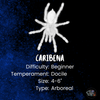
- Adult Size: Hatchlings start around 0.5 to 0.75 inch, and the species only grows to about 5 to 6 inches in diagonal leg span as an adult, so there is plenty of growing left ahead of it at every size we carry.
- Enclosure: This size is ready for an 8 by 8 by 12 inch enclosure, with cross ventilation and vertical cork bark, foliage, and multiple anchor points for webbing. At least 1.5 inches of substrate keeps humidity steady without turning the enclosure into a swamp.
- Setup Tips: Real cork bark or wood pieces make a big difference for this species. They help it settle in faster and give it natural climbing surfaces and webbing anchor points at every size, spiderling included.
- Rehousing: From here, one more move to a 12 by 12 by 18 inch enclosure as an adult finishes the job. At this species' medium to fast growth rate, that enclosure should carry it the rest of the way, usually within another 8 to 14 months.
- Temperature: 75 to 85°F, the optimal range for most tropical species like this one. Cooler temperatures are survivable, but increase the odds of trouble molting and growing, so we recommend staying in this range for the best results. Most keepers do not need any extra heating to hit it.
- Humidity: Never let the substrate dry out completely. This is a tropical species and it likes things a little wetter than most terrestrials, so keep it slightly damp and top it up before it goes dry rather than after.
- Water: Provide a shallow water dish placed in an elevated position if possible. This is more natural for arboreal species and helps prevent crickets from falling in and drowning. A weekly misting is suggested as well, so the animal can drink off the side of the enclosure or its own webbing if it prefers that to the dish, as long as you are wetting surfaces rather than soaking the substrate.
- Diet: A 5/8 inch cricket is the right size at this stage, offered at least once a week.
- Temperament: This species moves quickly and explores its enclosure readily, but it is docile and rarely defensive even when startled. Please note male size may differ from the max size listed for this species, since in most spiders the females grow larger, though this particular listing is a confirmed female.
Are there any additional notes or considerations for Caribena versicolor?
- Pink Toe Spiders? Like every tarantula, this arachnid gets called a pink toe spider in casual conversation. Tarantulas and true spiders are both arachnids, though tarantulas are the heavy bodied, long lived branch of the family, and a pink toe's habit of showing off its brightly colored feet while it walks is exactly why the nickname stuck.
- Fast But Not Aggressive: This species moves quickly and covers ground fast when it wants to, which sometimes gets mistaken for defensiveness. It is docile, and quick movement toward cover is not the same thing as an aggressive animal.
- Captive Bred: All tarantulas at Exotics Unlimited are captive bred.
Looking for similar species?
- Browse our Arboreal Tarantulas and New World Tarantulas collections to explore related care profiles.
Listing Notes
- This listing is for a Caribena versicolor Antilles Pink Toe Tarantula juvenile female measuring around 2.5 inches in diagonal leg span, which is the size given in the title, a confirmed female. The color change begins right around this size, so this is close to the point where the purple, red and green adult pattern starts coming in and intensifying with every molt. Looking for other sizes? This species is also available as a 0.5 to 0.75 inch Spiderling, 0.75 to 1 inch Well-Started Sling, 1 to 1.5 inch Juvenile, or 2 inch Juvenile.