



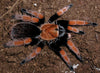

Aphonopelma bicoloratum Tarantula 3.5" ADULT FEMALE
$650.00
/
Sold out
Shipping calculated at checkout.
Pickup currently unavailable at Home Office

✅ Covered by our 24 Hr Live Arrival Guarantee!
Description
Aphonopelma bicoloratum (Mexican Blood Leg Tarantula)
This Mexican species is quite possibly the most beautiful, and most docile, of the arid tarantula species in the world. As they age, the coloration of the legs and carapace (head) shifts from a tan orange into a deep blood red-orange, getting richer with every molt. This species is also a super slow grower and doesn't get very big, making it an easy, manageable tarantula to keep long term. Grab this genuinely docile new world tarantula for sale, one of the most tolerant species in the hobby.
Why do hobbyists keep Aphonopelma bicoloratum?
- Stunning Coloration: A tan orange coloration as a juvenile that deepens into a rich blood red-orange with age.
- Docile Temperament: One of the most docile and tolerant species in the hobby, known for handling disturbance calmly.
- Manageable Size: A slow grower that never gets very big, making it easier to house and manage long term.
- Long Lived: Females can live for decades with proper care.
How should Aphonopelma bicoloratum be kept?
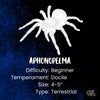
- Adult Size: Reaches about 4.5 inches at full leg span.
- Enclosure: Choose an enclosure at least twice the leg span in width, depth, and height, with a hide included for security.
- Temperature: Keep between 65 to 75 degrees F.
- Humidity: Keep the substrate damp but not saturated, resembling the texture and color of coffee grounds. Organic coconut fiber works well since it resists mold and holds humidity steadily.
- Water: A shallow textured water dish works well, something they can grip when climbing out.
- Diet: Crickets, roaches, or mealworms sized to about a quarter of the leg span, matching the width of the carapace (head). Feed at least once a week.
- Temperament: Very docile and tolerant, one of the calmest species available.
Are there any additional notes or considerations?
- Slow Grower: Takes its time reaching full size, so treat this one as a long term project rather than a quick payoff.
- Captive Bred: All Tarantulas are 100% captive bred.