

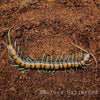
Scolopendra sp. 'Mint Leg" Centipede 1.5-2" Captive Bred
Shipping calculated at checkout.
Pickup currently unavailable at Home Office

✅ Covered by our 24 Hr Live Arrival Guarantee!
Description
Scolopendra sp. 'Mint Leg' Centipede
One of the most elusive and gorgeous centipedes in the hobby. There are a few localities of this species, but all share striking blue legs and reach 8 inches or more at full size. When these are closer to molting, they will darken, as most invertebrates do. Grab this genuinely rare centipede for sale if you want one of the standout species in the hobby.
Why do hobbyists keep Scolopendra sp. 'Mint Leg'?
- Stunning Coloration: Striking blue legs across every known locality of this species.
- Large Size: Reaches 8 inches or more at full body length.
- Rare in the Hobby: One of the most elusive centipede species currently available.
How should Scolopendra sp. 'Mint Leg' be kept?
- Adult Size: Reaches about 8 inches or more at full body length.
- Enclosure: Provide a secure, escape-proof enclosure with several inches of substrate for burrowing and a hide.
- Temperature: Keep between 65 to 75 degrees F.
- Humidity: Keep the substrate damp but not saturated, resembling the texture and color of coffee grounds. Organic coconut fiber works well since it resists mold and holds humidity steadily.
- Water: A shallow water dish works well as a reliable water source.
- Diet: Crickets, roaches, or mealworms sized appropriately for the animal, offered regularly.
- Temperament: Fast and defensive, typical of the genus. Not a handling species, and best appreciated as a display animal.
Are there any additional notes or considerations?
- Darkens Before Molting: Like most invertebrates, this species darkens noticeably as a molt approaches, a normal part of the process.