

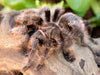
Tliltocatl albopilosus (Curly Hair Tarantula)

$75.00 Sold out
Shipping calculated at checkout.
  • Live Arrival Guarantee — coverage you can trust
  • Packed & Shipped by Our Team in NC
  • We Ship Monday, Tuesday & Wednesday
  • Measured in Diagonal Leg Span
Size: 1.5-2"

Pickup currently unavailable at Home Office


Tliltocatl albopilosus (Curly Hair Tarantula) for sale

The curly hair tarantula has been a very popular beginner species for tarantula enthusiasts for many decades. Their docile nature and hardiness combine with their fluffy curly hair has attracted many first time keepers to the hobby. Get yours today. 

✅ 100% Live Arrival Guarantee — all animals are fully covered

Names & Classifications

Genus: Tliltocatl
Species: albopilosus
Type: Terrestrial
Temperment: Docile
Endemic Location: Costa Rica
Adult Size: 6"

How we measure invertebrates:

We measure tarantulas and spiders in diagonal legspan. This means the distance from the front right to back left leg (or vise versa) when the animal is stretched out.

Cenitpedes we measure the full length of the animal from the antennae to the back legs

Scorpions we typically measure the body-length of the animal.

Size
Cage Requirements

Choose an enclosure at least twice the tarantula's leg span in width, depth, and height. Ensure proper ventilation to prevent condensation and provide a hide to help your pet feel secure.

Diet & Water

Feed your invertebrates crickets, roaches, or mealworms—we primarily use crickets and recommend feeding weekly. Provide a textured, shallow water dish as a drinking source, ensuring it's just water (no sugar, sponges, or additives).

Temperature & Humidity

Keep invertebrates at room temperature (65°F-75°F) and maintain humidity using soil. The soil should be damp but not saturated, resembling the texture and color of coffee grounds.

Soil & Plants

We use organic coconut fiber for our tarantulas because it resists mold and holds humidity well. For bioactive enclosures, choose nutrient-rich soil, ensuring it is free from insecticides and pests.