



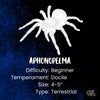
Aphonopelma chalcodes (Arizona Blonde Tarantula) Tucson Locality 0.5" WEEKLY DEAL ending AUG 9
Pickup available at Home Office
Usually ready in 2-4 days
%20Tucson%20Locality%200.5%22%20WEEKLY%20DEAL%20ending%20AUG%209)
Aphonopelma chalcodes (Arizona Blonde Tarantula) Tucson Locality
The Arizona Blonde has been coveted by hobbyists worldwide for its docile nature and the fact that it is genuinely native to the United States. Also known as the desert blonde tarantula, this is the classic Tucson locality, showing the normal brown and blonde coloration most people picture when they think of the Arizona Blonde. A blonde carapace (head) and blonde legs set against darker femurs and a darker abdomen, giving it a high contrast dark brown and blonde look. It is a popular species among beginners because it is slow and very deliberate in its movement, not particularly skittish, and docile on top of that. Grab this hardy new world tarantula for sale, a true American desert classic.
Why do hobbyists keep Aphonopelma chalcodes?
- Stunning Coloration: A blonde carapace and blonde legs set against darker femurs and abdomen, giving a high contrast dark brown and blonde look.
- Docile Temperament: Slow and very deliberate in their movement and not particularly skittish, which is exactly why they are one of the best beginner tarantula choices in the hobby.
- Long Lived: Females can live for decades in captivity, so this is a genuine long term animal rather than a few seasons.
- Native to the USA: One of the very few tarantulas actually native to the United States, and the desert species most Americans have seen in the wild.
- Locality Variant: The Tucson local is the classic brown and blonde form, distinct from the Flagstaff Orange we also produce.
How should Aphonopelma chalcodes be kept?
- Adult Size: These hatch out around a third to a half inch and reach a max size of around 6 inches at full leg span, so there is a lot of growing to watch and two enclosure upsizes to plan for along the way.
- Enclosure: Start this one in a 6 by 6 by 4 inch enclosure with about 2 inches of substrate and a hide such as a piece of cork bark to shelter under. We build to roughly 3 times the leg span for footprint and 2 times for height on terrestrials, and we size the cage for where the animal is headed rather than where it is today, so this one is built for a 2 inch spider. That is a third of adult size, which means a single enclosure carries it through years of growth. This is an opportunistic burrower, so give it depth to dig and let it decide whether it wants to.
- Rehousing: Three cages for life, two rehouses total. Next up is a 12 by 12 by 8 inch enclosure with about 4 inches of substrate around the 2 inch mark, then an 18 by 18 by 12 inch adult setup with 6 inches of substrate around 4 inches. This is a slow growing species, so each of those enclosures lasts a long time. Males mature considerably faster than females and often never need the third cage.
- Temperature: Keep between 70 and 80 degrees F.
- Humidity: This species does best kept on the drier side, reflecting its native desert climate. Good ventilation matters more than added moisture. A damp lower layer with a dry surface works well, using a morning dew cycle as the model rather than a wet enclosure.
- Water: A shallow textured water dish works well, something they can grip when climbing out.
- Diet: Prey length should run about a quarter of the leg span, which is roughly the width of the carapace (head). At half an inch that is a 1/8 inch cricket or a small roach nymph. Crickets, roaches or mealworms all work. Feed at least once a week.
- Temperament: Calm, slow and deliberate, not a skittish species. Individual animals still have their own personalities, so take the usual care during a rehouse.
Are there any additional notes or considerations?
- Slow Grower: This species takes years to reach full size, which is the trade for how long it then lives. Treat it as a long term animal rather than a fast project, and the slow pace stops being a downside.
- Beginner Genus: Aphonopelma as a genus is about as forgiving as tarantulas get. Dry, well ventilated, a hide, a water dish and weekly food is the entire formula.
- Captive Bred: All Tarantulas are 100% captive bred.
Listing Notes
- This listing is for an Aphonopelma chalcodes Arizona Blonde spiderling measuring around half an inch in diagonal leg span, which is the size given in the title, unsexed with roughly a 50/50 chance of male or female. This is right around the size they hatch at, our entry point into the species and the most affordable way to start one. With a tarantula that lives for decades, starting at the beginning is not a compromise, it is most of the appeal, and a baby tarantula this hardy is about as forgiving a first sling as the hobby offers. Tucson locality, the classic brown and blonde form.
✅ 100% Live Arrival Guarantee — all animals are fully covered